

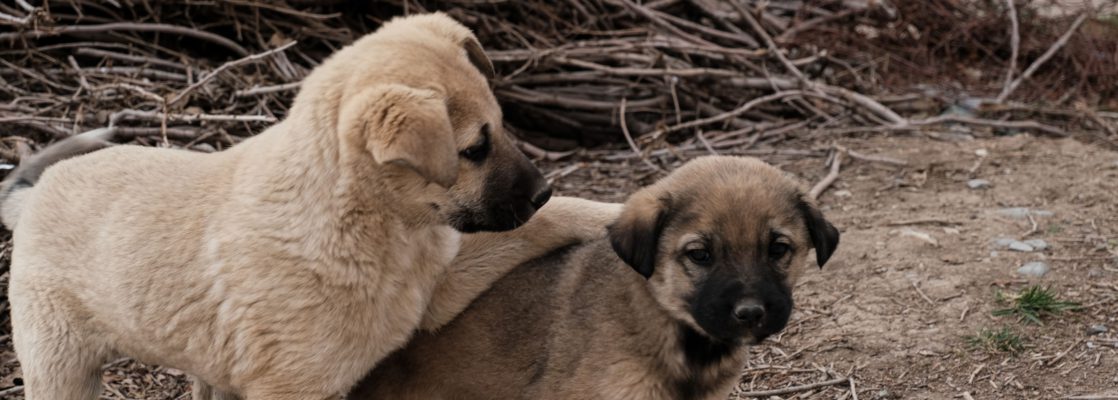
Keeping a dog looking healthy involves much more than maintaining a neat coat. Regular dog grooming supports skin and coat health while providing an opportunity to check for lumps, parasites, skin irritation and other changes. Depending on the breed, grooming may involve brushing, bathing, coat trimming, nail clipping and cleaning around the ears and eyes. Establishing a consistent routine can also make grooming more comfortable for the dog over time.
Dental health is equally important, and a veterinarian may recommend assessment by a dog dentist or veterinary professional when a dog develops signs of oral disease. Plaque and tartar can accumulate around the teeth and gums, potentially contributing to bad breath, inflammation, discomfort and dental disease. Regular veterinary dental checks can identify problems that may not be obvious to an owner.
Maintain a Healthy Coat
Different breeds have very different grooming requirements. Short-haired dogs may only require occasional brushing, while dogs with long, curly or double coats often need more frequent attention.
Brushing removes loose fur and dirt while helping prevent knots and matting. Severe matting can pull on the skin and cause discomfort, so dogs prone to tangled coats may benefit from professional grooming at appropriate intervals.
Bathing can also help keep the coat clean, although excessive washing may irritate or dry the skin. Products designed specifically for dogs should be used rather than human shampoos, as canine skin has different requirements.
Look After Teeth and Gums
Dental care should form part of a dog’s regular health routine. Owners can gradually introduce tooth brushing using a toothbrush and toothpaste specifically designed for dogs. Human toothpaste should not be used because some ingredients may be unsuitable or harmful to pets.
Veterinary professionals can advise on appropriate dental routines and determine whether professional cleaning or other treatment is necessary. Signs such as persistent bad breath, bleeding gums, difficulty eating, excessive drooling or damaged teeth should be discussed with a veterinarian.
Keep Nails and Paws Maintained
Overgrown nails can make walking uncomfortable and may affect how a dog places its feet. Nails should therefore be checked regularly and trimmed when necessary.
Paws should also be inspected for cuts, swelling, foreign objects or cracked pads. Dogs that regularly walk through bushland, parks or long grass may pick up grass seeds or other material between their toes.
Provide Good Nutrition
Appearance can sometimes reflect general health. A balanced diet that meets the dog’s age, size and activity requirements supports healthy skin, muscles and coat condition.
Owners who are uncertain about their dog’s nutritional requirements can discuss feeding with their veterinarian. Maintaining an appropriate body weight is also important, as excess weight can place additional strain on joints and contribute to health problems.
Make Exercise Part of the Routine
Regular physical activity helps maintain fitness and provides important mental stimulation. The amount and intensity required will vary according to breed, age and health.
Walks, games and appropriate training activities can keep dogs active while providing opportunities for interaction and enrichment. Exercise routines should always be adjusted for weather conditions and the individual dog’s capabilities.
Regular grooming, dental care, good nutrition, exercise and veterinary examinations all contribute to a dog’s wellbeing. By paying attention to both appearance and general health, owners can identify changes earlier and help their dogs remain comfortable, active and well cared for throughout their lives.


