

Regular grooming is an important part of maintaining a pet’s hygiene, comfort and general wellbeing. Dog grooming can include brushing, bathing, nail trimming, coat clipping and checking areas such as the ears, paws and skin. The amount of grooming a dog requires varies considerably depending on its breed, coat type, age, lifestyle and individual health needs.
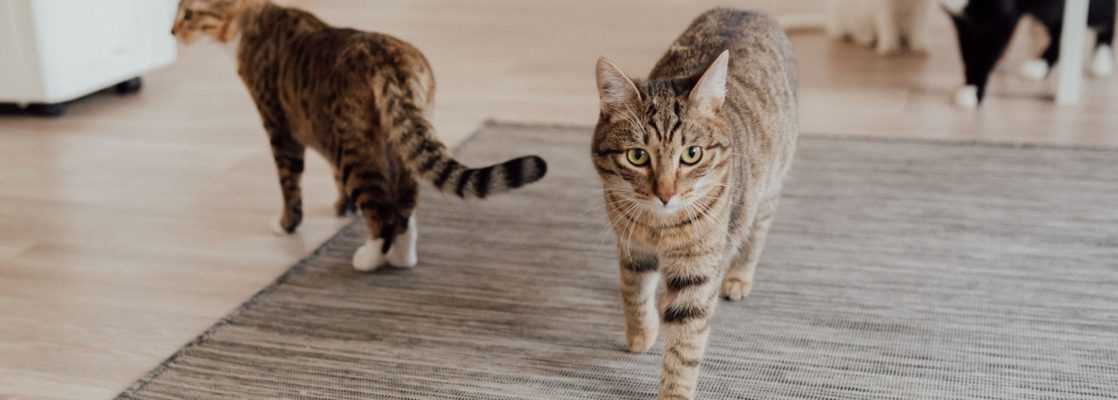
Cat grooming is also important, even though cats naturally spend considerable time cleaning themselves. Regular brushing can remove loose hair, help prevent tangles and reduce the amount of fur swallowed during self-grooming. Long-haired cats generally require more frequent attention because their coats can become matted if loose and tangled hair is not removed.
Maintaining a Healthy Coat
Brushing removes loose fur, dirt and debris from an animal’s coat. It can also help distribute the natural oils produced by the skin through the fur.
The appropriate brushing frequency depends on the animal. Dogs and cats with long or dense coats may require brushing several times a week or even daily, while some short-haired pets require less frequent attention.
Regular brushing can also help owners notice changes such as excessive hair loss, dandruff or irritated skin.
Preventing Knots and Matting
Matting occurs when fur becomes tightly tangled. It is particularly common in animals with long, curly or dense coats.
Severe matting can pull on the skin and cause discomfort. It can also trap moisture and dirt close to the skin, making it more difficult to identify irritation or other problems underneath the coat.
Preventing mats through routine brushing is generally easier than dealing with heavily tangled fur later.
Looking After Nails and Paws
Pet grooming extends beyond coat care. Nails should be checked regularly because excessive growth can cause discomfort and may affect the way an animal walks.
The paws can also be inspected for cuts, damaged pads or foreign material. Dogs that regularly walk outdoors may pick up grass seeds, small stones or other debris between their toes.
Checking the Ears
Routine grooming provides an opportunity to look at a pet’s ears. Owners can watch for redness, unusual discharge, odour or excessive scratching.
The appropriate method of ear care varies between animals, and objects should not be inserted deeply into the ear canal. Persistent problems should be assessed by a veterinarian.
Grooming Can Help Identify Changes
One important benefit of regular grooming is the opportunity to become familiar with a pet’s normal skin and body condition.
While brushing or bathing, owners may notice lumps, wounds, parasites, areas of sensitivity or changes in the skin that were not previously obvious. Grooming does not replace veterinary examinations, but noticing changes early can help owners decide when professional veterinary advice may be required.
Professional and At-Home Grooming
Many routine grooming tasks can be completed at home with suitable brushes, combs and other equipment. However, some animals benefit from professional grooming, particularly when they require regular clipping or specialised coat maintenance.
Professional groomers can also help with tasks that owners may find difficult, such as nail trimming. The appropriate grooming schedule should be based on the individual animal rather than applying the same routine to every pet.
Regular grooming ultimately supports cleanliness, comfort and coat maintenance while giving owners an opportunity to examine their pets closely. When combined with appropriate nutrition, exercise and veterinary care, a consistent grooming routine can form an important part of maintaining a pet’s overall health and wellbeing.


